System support

RCF Services for confident audio deployment

Professional audio work rarely fails because one loudspeaker is missing. It fails when coverage assumptions, rigging limits, amplifier headroom, low-frequency strategy, and operator handoff are not discussed together early enough. RCF service support keeps those decisions visible, practical, and tied to the real room.

Our team helps integrators, rental managers, and venue operators translate program notes into a buildable system path. We review audience geometry, speech intelligibility needs, music playback level, available power, control expectations, and installation constraints before the equipment list is treated as final.

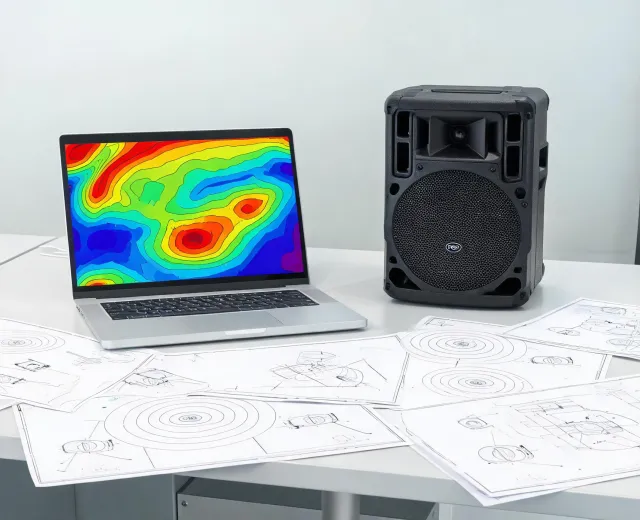
Audio system planning desk with RCF loudspeaker layout
Guided support paths

Two-column assistance for project teams

01

Coverage and box count review

Share drawings, seating depth, trim height, and audience shape. We help compare point-source, column, line array, subwoofer, and fill approaches so the selected package reaches the important seats without overbuilding the easy ones.

02

Rigging and installation coordination

For fixed rooms, we frame speaker locations around structure, sightlines, service access, and cable routes. For portable systems, we focus on repeatable hardware, safer load-in steps, and clear labeling for crews.

03

Subwoofer and monitor matching

Low-frequency deployment and stage monitoring deserve separate attention. We discuss cardioid options, floor area, performer positions, console workflow, and expected program material before recommending quantities.

04

Handoff documentation

A finished system should be easy to explain. We can outline signal flow, common preset use, venue start-up notes, and service checkpoints so operators inherit more than a pile of part numbers.

Decision questions

FAQ built into the service conversation

Coverage comes first. Product families become easier to compare once the team knows throw distance, horizontal spread, ceiling height, audience density, and whether the system must prioritize speech, live music, playback, or mixed programming.

A room plan, audience dimensions, rigging notes, preferred console workflow, existing amplifier or network constraints, and the expected program level are enough to begin a useful first pass.

Sometimes, but it needs honest tradeoffs. Portable hardware, storage, cable management, weather exposure, and operator skill can change what looks like a simple equipment match on paper.

It is a real trade, not a ranking. Active cabinets put amplification and DSP inside the box, which speeds setup, keeps gain structure consistent, and suits portable PA. Passive cabinets move that control to external amplifiers and processing, which some integrators prefer for centralized racks, long fixed installs, and simpler swap-out servicing. Setup speed and tuned matching on one side, rack flexibility and serviceability on the other — the room's staffing and service plan usually decides.

A cabinet has a rated maximum SPL and a fixed dispersion angle, so deep or wide rooms past that pattern need array geometry or more boxes rather than more drive. Sustained high-level programs heat transducers and reduce sensitivity until headroom is planned for. Outdoor and humid environments, and rooms that behave differently full versus empty, also move the result away from a bench figure. We name these before the quote.

Before support

Teams often start with a desired speaker count, a budget ceiling, and a deadline. The missing pieces are usually coverage proof, subwoofer behavior, stage volume expectations, rigging clearances, and the small accessories that make a system repeatable.

  • Unclear throw and fill strategy
  • Last-minute cable and mount changes
  • Operator notes left to memory

After support

The project moves forward with a clearer equipment path, a known installation or deployment sequence, practical tuning assumptions, and a concise handoff plan for the people who will use the system after commissioning.

  • Defined system role by area
  • Better match between products and venue limits
  • Documentation ready for crews and owners
Start with the room

Request a practical RCF support review

Send the project type, audience size, installation constraints, and any current equipment list. We will help turn the request into a clearer loudspeaker and subwoofer path before decisions harden.